
The idea of giving machines a human voice once belonged to science fiction. Now, it’s part of everyday life. The modern ai speech generator has turned written words into fluent, expressive sound, capable of carrying tone, emotion, and rhythm in ways that feel strikingly human. From podcasts to personal assistants, these systems are shaping how people interact with technology — not through screens, but through sound.
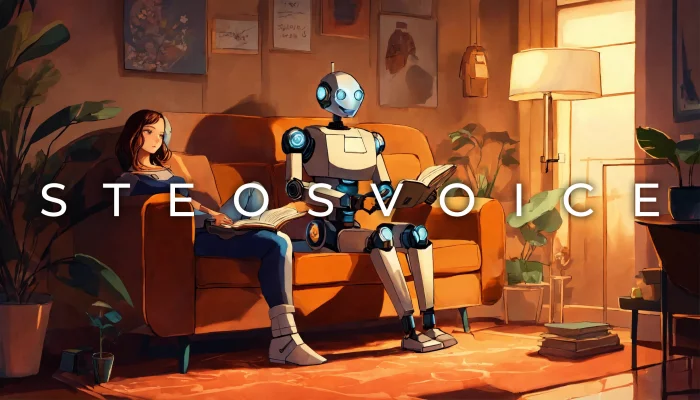
The Evolution of Synthetic Speech
Early attempts at digital voice were stiff and mechanical. They spoke without pauses or inflection, sounding more like code than conversation. What changed everything was the integration of artificial intelligence and deep learning. By studying massive amounts of recorded speech, an ai speech generator can now replicate the subtle qualities that make a voice feel alive — a breath between phrases, a hint of emphasis, even the natural imperfections that define human speech.
Instead of relying on pre-recorded snippets, modern systems synthesize sound from scratch. They understand context, emotion, and pacing. That means when they read a sentence like “I missed you,” they can deliver it with warmth, sadness, or even irony — depending on the intended tone. This emotional realism has made synthetic speech one of the most transformative technologies in communication.
Why Voice Matters in the Digital World
Sound carries something written words can’t — personality. In an age of endless screens, hearing a voice creates a sense of connection that feels deeply human. That’s why so many digital tools are now powered by some form of ai speech generator. Whether it’s narrating audiobooks, guiding users through apps, or assisting those with visual impairments, these voices bring accessibility and emotion into the digital experience.
There’s also a practical side. People process spoken information faster than written text, making audio an efficient medium for education and productivity. Listening while commuting, cooking, or exercising turns information into a seamless part of daily life. The best synthetic voices no longer sound like assistants — they sound like companions, blending technology with empathy.
But the shift isn’t just technical — it’s cultural. As voices become part of our digital environment, they shape how we relate to technology itself. We respond emotionally to a voice, even when we know it isn’t human. That connection reveals how sound bridges the gap between artificial and natural communication.
Creativity in the Age of Synthetic Speech
Beyond convenience, ai speech generator technology is opening new creative frontiers. Musicians are composing with AI voices that can sing in any style. Filmmakers use them for dubbing or narration in multiple languages. Writers bring their stories to life by giving characters voices that match their personalities. For small creators, this technology removes barriers — what once required a full studio can now be done with a computer and imagination.
Still, this freedom raises questions. When machines can imitate any voice, where do we draw the line between inspiration and imitation? Ethical use has become an important conversation, ensuring that human voices are protected while innovation continues. The future of AI voice work will likely depend on transparency — using the technology responsibly while celebrating its creative potential.
The Human Touch Behind the Artificial
Even as digital voices become more advanced, people still crave authenticity. That’s why the goal isn’t to replace real voices but to expand what’s possible. A well-designed ai speech generator doesn’t erase emotion — it amplifies it, making communication richer and more accessible. It helps tell stories, teach lessons, and share experiences in ways that reach more people than ever before.
The technology will continue to evolve, learning not just how to speak, but how to listen, respond, and adapt. One day, voices created by AI might not just talk — they might truly converse, understanding tone and meaning beyond words.
Conclusion
The rise of the ai speech generator marks a turning point in how humans and machines interact. It transforms silent text into sound that feels familiar, expressive, and alive. As technology continues to refine the art of digital speech, it reminds us that every great voice — whether human or artificial — begins with the same goal: to be heard and understood.

